
The Matchday Storylines Checklist Before Kick-Off
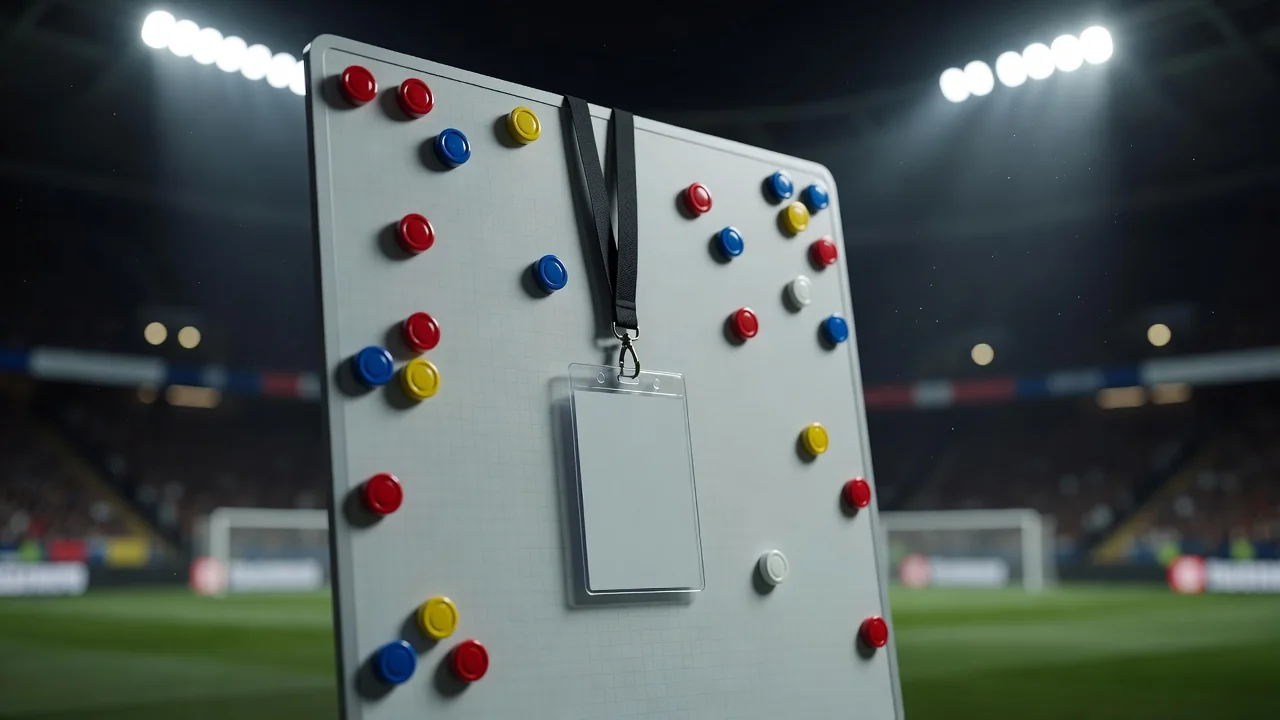
Two matches can end 2-0 and have nothing in common. The difference between a forgettable result and a gripping matchday is rarely the football itself — it is whether you knew what to watch for before kick-off. Storylines are the viewer's dividend for ten minutes of preparation, and the preparation has a fixed shape: five checks, in order, that turn any fixture into a story you can follow.
This checklist works for any match in any league. Run it in the hour before kick-off and the game will hand you its plot by the twentieth minute.
Check one: the team news, read properly
Lineups drop about an hour before kick-off, and most fans skim them for names. Read them for structure instead. Count the changes from the previous match and ask why: rotation before Europe, or a manager losing faith? Look at the shape the selection implies — a surprise extra defender signals caution, a second striker signals intent. And scan the bench, because the bench tells you the plan B: a team with no attacking substitute has told you how it expects the match to go.
Check two: availability maths
Who is missing matters more than who is playing. Suspensions are fixed facts — check who sits on a yellow-card tightrope, because a booking today can matter more than a goal. Injuries to spine players — goalkeeper, central defence, central striker — alter a team's level far more than absences wide or in goalscoring support. One sentence of availability news often explains a whole betting line's movement, and it is public information.

Check three: form, schedule and weather
Form tables lie when read raw: a five-match unbeaten run against the bottom half is not the same fact as three wins against the top six. Read the opponents, not just the results. Then check the calendar: a team playing its third match in eight days, or returning from a Thursday night away in Europe, carries fatigue the form table hides. Finally, the most underrated storyline in football — weather. Heavy wind and rain compress the quality gap between teams; a passing side in a storm is a different proposition.
| Check | What to look for | Why it matters |
|---|---|---|
| Team news | Changes, shape, bench strength | Reveals the manager's plan |
| Availability | Suspensions, spine injuries | Absences outweigh presence |
| Form | Who the results came against | Raw runs mislead |
| Schedule | Congestion, European travel | Fatigue hides in the calendar |
| Stakes | Table position, head-to-head history | Decides what each side needs |
Check four and five: stakes and history
The table tells you what each team needs, and need is the strongest predictor of approach. A mid-table side with nothing at stake plays a different match from one fighting relegation or chasing Europe, whatever the managers claim. Then the history: some fixtures carry grudges, hoodoos or managerial subplots that the table cannot see. A manager facing the club that sacked him, a striker returning to his old ground, a derby with a decade of scars — these are the storylines that make a routine match appointment viewing.

The checklist, pocket version:
- Read the lineup for structure, not star names.
- Count the absent spine: keeper, centre-backs, striker.
- Judge form by opponents faced, not results alone.
- Check the calendar and the sky before the table.
- Ask what each side needs — need dictates approach.
A worked example, in the abstract
Imagine a mid-table home side against a contender in late November. Check one reveals the home manager has changed both full-backs and named an extra midfielder — a plan to survive, not to attack. Check two shows the contender's first-choice centre-forward is one booking from suspension and their reserve goalkeeper starts; suddenly the understudy's afternoon is a storyline. Check three: the contender played Thursday night in Europe, two time zones away, while the home side rested all week — and the forecast is heavy rain, leveller of quality gaps. Checks four and five complete the picture: the home side needs points to clear the relegation conversation, the contender needs a win before two derbies, and this ground is where their title challenge collapsed two seasons ago.
Nothing in that paragraph required inside knowledge — every fact sits in the public teamsheet, table and forecast. But watch that match with those five notes in hand and you are watching a different game from the casual viewer: you know why the home side sits deep, why the away manager is agitated by the twentieth minute, and exactly what the 0-0 at half-time means. That is the checklist's entire promise. Storylines are not found; they are assembled.
Run the five checks and kick-off stops being a starting gun. It becomes the moment a story you already understand begins to unfold.
Read next

How to Build Your Own Matchday Digest in 10 Minutes
You do not need twelve apps and a push-notification storm. A ten-minute routine that turns a full matchday into a clear, calm picture.
2026-08-27 · Vitamed.Life
Why Saturday 3pm Games Are Not on TV in England
The 3pm blackout is older than most Premier League clubs’ stadiums. Why it exists, who it protects and why it survives every broadcast revolution.
2026-08-18 · Vitamed.Life
One Screen or Four? Following a Full Matchday
Multiview, radio, live tables or pure highlights: four honest ways to follow ten matches at once, and who each one actually suits.
2026-08-09 · Vitamed.Life