
One Screen or Four? Following a Full Matchday
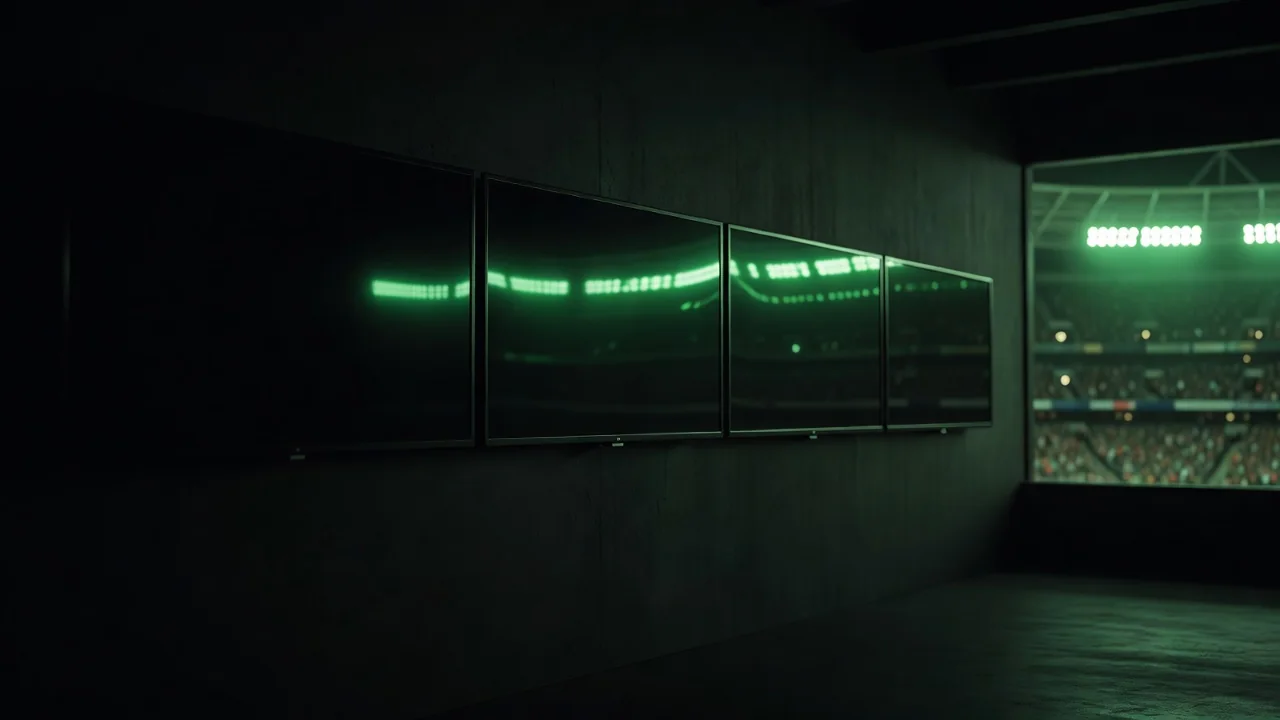
Ten matches, one afternoon, and you. The fantasy is following everything; the reality is that even the multiview obsessives are choosing, whether they admit it or not. There are four honest ways to follow a full matchday, and each suits a different kind of fan. The mistake is not picking the wrong one — it is drifting between all four and ending the day having truly watched nothing.
Here is what each method actually delivers, and what it quietly takes away.
Method one: the single screen, properly
Pick one match and watch it like it is the only game being played. You see the tactical battle develop, the momentum shifts that never make highlights, the full-back's positioning that explains the goal twenty minutes later. This is the only method that makes you a better analyst of what you support. Its cost is obvious: everything else becomes second-hand, consumed as scores and clips.
Method two: multiview and the goals show
The multiview screen — four matches at once — and the broadcaster's goals show, whipping between grounds as the ball hits nets, are the modern default. They deliver volume and shared moments: you will not miss a goal anywhere. What they cannot deliver is meaning. Watching only goalmouth action is like reading only the last page of every chapter — you learn what happened and nothing about why. Fans who follow this way all season often discover in April that they cannot describe how their own team plays.

Method three: radio and live text
The oldest technology remains weirdly effective. Radio commentary forces a narrator's discipline — someone must describe the pattern of play continuously — and live text commentary adds the data layer. Followed together, they give a surprisingly rich picture of two or three matches while leaving your eyes free. The trade-off is the absence of pictures, which matters most for the things football does off the ball.
| Method | What you gain | What you lose |
|---|---|---|
| Single screen | Tactical depth, real understanding | Coverage of everything else |
| Multiview | Every goal, shared moments | Narrative and context |
| Radio and text | Continuous story, multitasking | Pictures and off-ball detail |
| Highlights later | Calm, complete, spoiler-managed | The live experience itself |
Method four: the deliberate delay
The countercultural option: ignore the live afternoon entirely, then watch the day's condensed matches in the evening in your chosen order. You trade the live thrill for total control — no spoilers if you are disciplined, no dead matches, no four-hour sofa sentence. For fans in awkward time zones, this is not a compromise but the only civilised way to follow a European league at all.

Choosing your method is easier with three honest questions:
There is also a fifth, semi-secret method: the matchday walk. Follow the early games on radio during a long walk or drive, return for one evening match on television, and let the rest become Sunday-morning highlights. Fans who adopt it report the same discovery — the afternoon feels longer, the football feels better, and the league table on Sunday night comes as news rather than confirmation. In a culture of total availability, deliberate partial attention is the closest thing to a superpower the modern fan has.
Whichever camp you join, join it deliberately. The matchday rewards the fan with a plan and quietly punishes the one without one — and the plan, unlike the fixture list, is entirely yours to write.
- Do you want to understand one match or monitor all of them?
- Is the afternoon for football, or football around the afternoon?
- Will you remember this matchday in a month? Choose accordingly.
The rituals that make it work
Whichever method you choose, a few shared rituals separate the satisfied follower from the frazzled one. The first is a fixed start: decide before the first kick-off which method today gets, because drifting into multiview by default is how four hours vanish. The second is a food-and-drink rule that sounds trivial and is not — the matchday marathon fails on logistics, not enthusiasm, and the fan who planned lunch around the early kick-off outlasts the one who did not. The third is a spoiler protocol for the delayed viewer: mute the group chats, kill the notifications, and tell the one friend who always texts scores.
Veterans add a fourth ritual: the matchday note. Two lines written after the final match — who impressed, what changed in the table — turn passive consumption into memory. Follow a season this way and you arrive in May with your own record of it, which no algorithmic recap can reproduce. The matchday is four hours of your life; the note is what stops them evaporating.
There is no correct answer — only the wrong habit of pretending you can have everything. The fans who enjoy matchdays most decided long ago which kind of follower they are.
Read next

How to Build Your Own Matchday Digest in 10 Minutes
You do not need twelve apps and a push-notification storm. A ten-minute routine that turns a full matchday into a clear, calm picture.
2026-08-27 · Vitamed.Life
Why Saturday 3pm Games Are Not on TV in England
The 3pm blackout is older than most Premier League clubs’ stadiums. Why it exists, who it protects and why it survives every broadcast revolution.
2026-08-18 · Vitamed.Life
What Monday Night Football Is Actually For
The slot everyone complains about is the weekend’s most-watched autopsy. Why Monday night became the thinking fan’s fixture.
2026-07-31 · Vitamed.Life