
Why Saturday 3pm Games Are Not on TV in England
Every Saturday at three o'clock, England does something no other major football nation does: it plays its most traditional round of fixtures in a television void. Dozens of matches, millions of fans, and not a single legal live broadcast in the country. The 3pm blackout is older than the Premier League, older than colour television in most homes, and it survives every technological revolution because it protects something the sport cannot replace.
The rule is simple to state and endlessly argued about: in England, no football may be broadcast live between 2.45pm and 5.15pm on Saturdays. Understanding why it exists — and why it persists — is a small lesson in how English football thinks about itself.
A rule from the age of the turnstile
The blackout dates to the 1960s, when Burnley's chairman Bob Lord persuaded fellow clubs that televised football would empty their grounds. The logic was era-perfect: clubs lived on gate receipts, television was a novelty, and the fear was that showing the big clubs live would keep fans of smaller teams at home on Saturdays. The blackout was the compromise — football on television, yes, but never when the turnstiles were open.
The economic foundation has since inverted. Premier League clubs now earn far more from broadcasting than from matchday income. Yet the rule survives, because the argument shifted from money to ecology: the pyramid. Below the Premier League, attendances still pay wages, and the fear is the same one Bob Lord voiced — that a televised top-flight match at 3pm on Saturday would pull thousands of floating fans away from their local ground.
How the blackout shapes the week
The rule does more than protect one slot — it organises the entire broadcast calendar around itself. Because the biggest inventory of matches cannot be shown domestically on Saturday afternoon, the televised fixtures migrate to the edges: Friday night, Saturday lunch and evening, Sunday, Monday. The blackout is the immovable object around which the whole multi-billion-pound grid was designed.
| Question | Answer |
|---|---|
| What is blocked? | Live broadcasts of any football, 2.45–5.15pm Saturdays |
| Where does it apply? | Within the United Kingdom only |
| Since when? | The 1960s, credited to Burnley's Bob Lord |
| Official purpose | Protect attendances across the pyramid |
| Practical effect | Televised matches pushed to other slots |
Will it survive?
The blackout is reviewed, debated and predicted to die roughly every broadcast cycle — and renewed every time. Its defenders are not just romantics: lower-league clubs point to the demonstrable link between their attendances and the absence of competing live football. Its critics call it an anachronism that pushes fans toward illegal streams and note that every other major league televises everything. Both are right about the facts; they disagree about what English football is for.
What the rule means for you, practically:
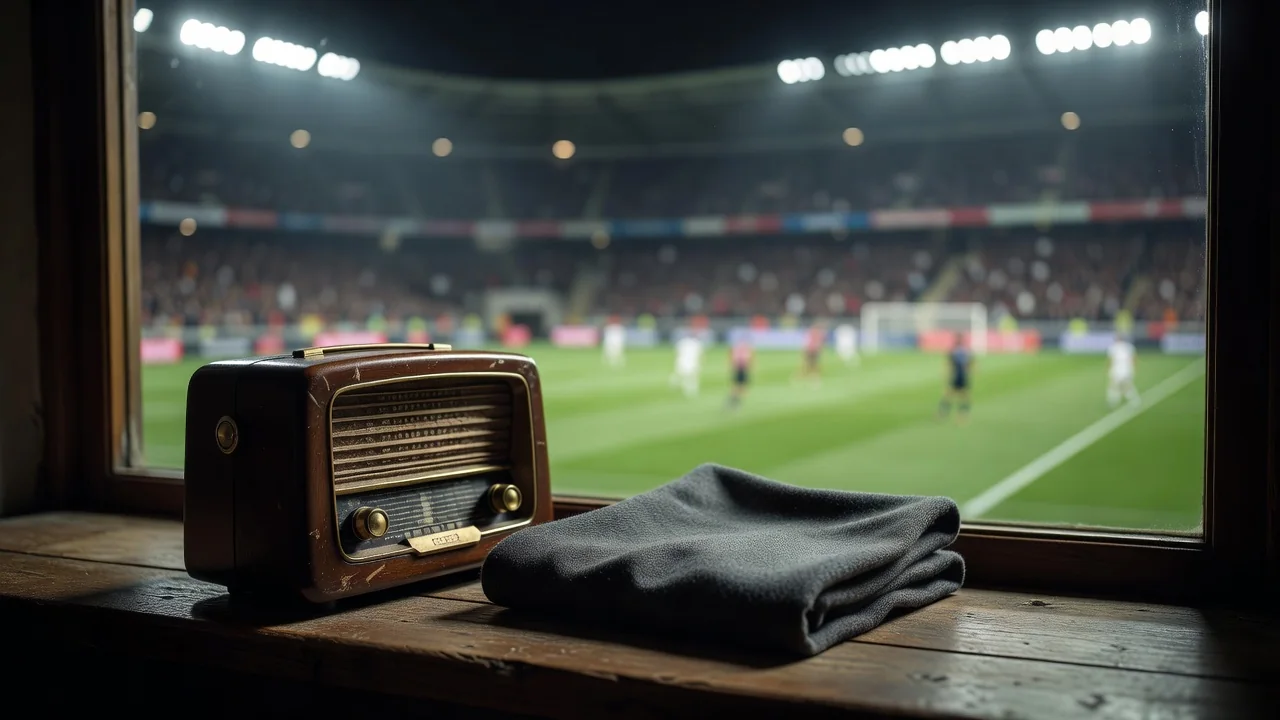
For visitors to England, the blackout produces the country's strangest footballing scene: the 3pm matchday pub with no match on. The sound is turned to radio, the score updates arrive by phone, and a hundred people celebrate a goal none of them saw. It is absurd, anachronistic and, regulars will tell you, one of the last truly communal rituals the sport has left — a shared act of imagination that television killed everywhere else.
- Saturday 3pm matches are radio and live-text territory in the UK.
- The evening's television picks were moved there by the blackout.
- Overseas viewers often see matches the home market cannot.
- Any future change will arrive slowly and with a fight.
The streaming-age pressure
The blackout's loudest challenge is no longer political but technological. A rule written for three television channels now faces a world where every match is produced for international broadcast — meaning the 3pm games are shown legally everywhere except the country they are played in. Fans know the pictures exist, and the gap between that knowledge and the domestic ban feeds both piracy and resentment. Each rights cycle brings louder predictions that the blackout must fall, because a rule that honest customers cannot obey but dishonest ones can bypass is a rule under sentence.
Yet every cycle ends the same way, and the reason is worth respecting: the people who would vote on abolition are the clubs, and the clubs below the Premier League's top tier remain convinced the blackout protects their gates. Until a serious study proves the modern fan would abandon the local ground for a legal stream, the blackout keeps its majority. Its survival is not sentiment — it is the pyramid voting in its own economic interest, exactly as it did in the 1960s.
Love it or hate it, the blackout is a choice about values dressed as a scheduling rule: that the game watched in person comes first. Sixty years on, England still makes that choice every Saturday.
Read next

How to Build Your Own Matchday Digest in 10 Minutes
You do not need twelve apps and a push-notification storm. A ten-minute routine that turns a full matchday into a clear, calm picture.
2026-08-27 · Vitamed.Life
One Screen or Four? Following a Full Matchday
Multiview, radio, live tables or pure highlights: four honest ways to follow ten matches at once, and who each one actually suits.
2026-08-09 · Vitamed.Life
What Monday Night Football Is Actually For
The slot everyone complains about is the weekend’s most-watched autopsy. Why Monday night became the thinking fan’s fixture.
2026-07-31 · Vitamed.Life