
Serie A Sundays: A Guide to Italy's Football Rhythm
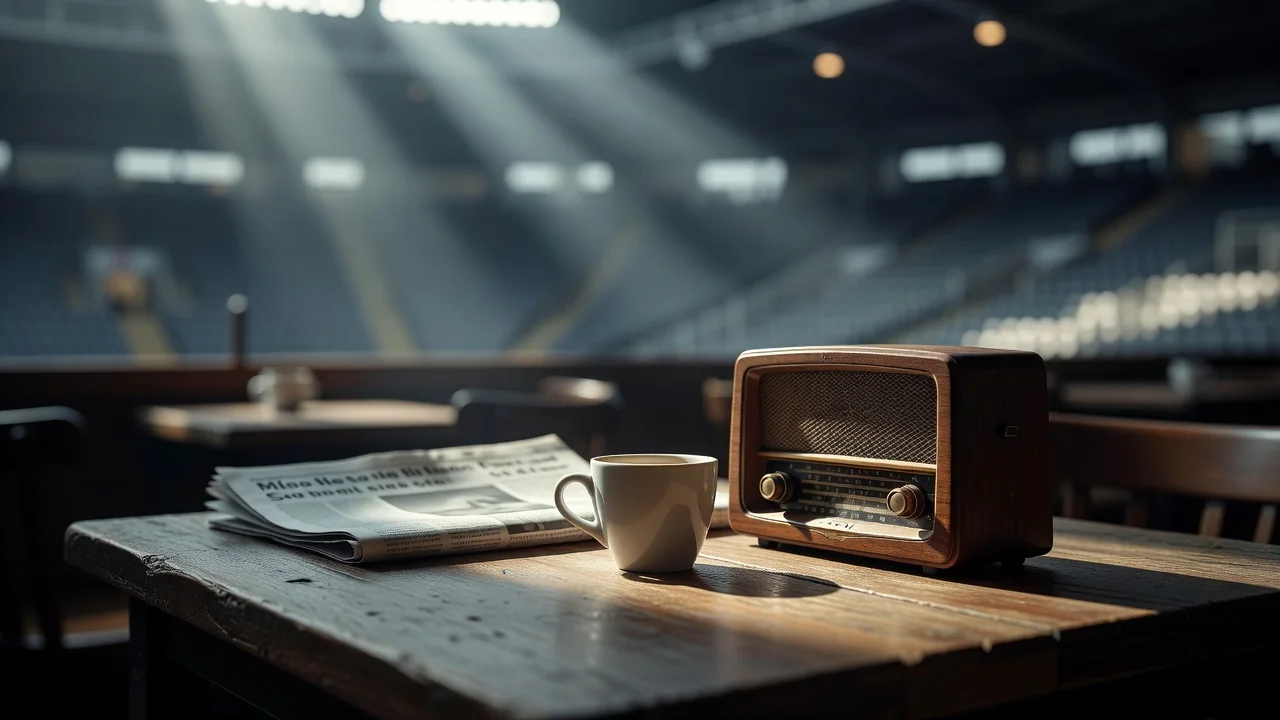
Italian football keeps time differently. Where England built its week around Saturday at three and Spain floats its fixtures across the whole weekend, Italy still lives by the Sunday: a rolling day of calcio that starts with lunch and ends deep into the evening, followed by a Monday morning of newspapers that argue about all of it. For a newcomer, Serie A's weekly clock is half the pleasure of following the league.
The rhythm is not nostalgia — it is a working system that shapes when matches happen, how they feel, and how the country talks about them.
The shape of the Sunday
The traditional Serie A Sunday has a classic architecture. An early kick-off — the "lunch match" — opens the day while much of the country is still deciding where to eat. The afternoon brings the main block of fixtures, and the evening belongs to the "posticipo", the postponed one: the day's biggest match, given its own primetime slot under the lights. Monday night usually hosts one more, closing the round.
The staggering is deliberate. Italian television, like Spain's, prefers its matches separated so each can command its own audience — but the effect on the fan is different from Spain's floating chaos. The Italian weekend has a pulse you can set your day by: espresso, early match, long lunch with the radio on, afternoon scores, evening showcase.
Monday's papers: the arguments continue
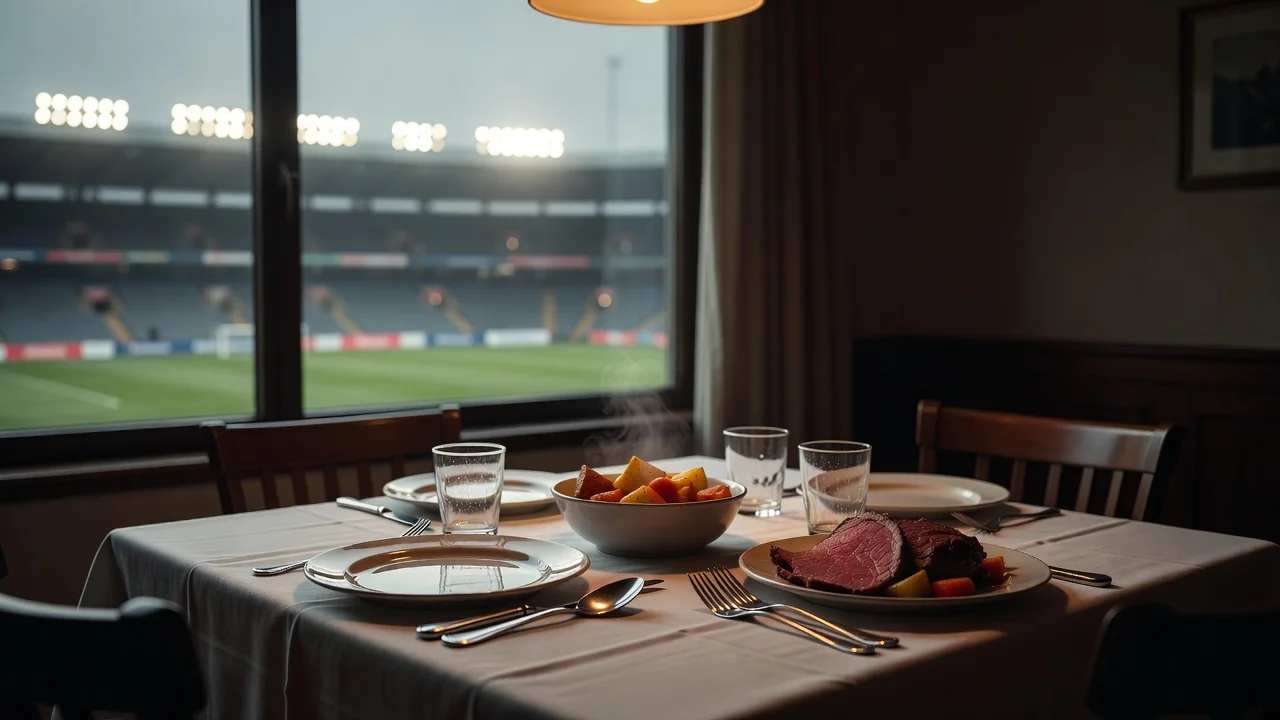
The rhythm does not end at the final whistle. Italy's sports dailies — famous nationwide institutions printed on distinctive coloured paper — publish their big Monday editions after the round, and they set the agenda for the week: player ratings argued to the decimal point, tactical diagrams, transfer whispers and refereeing controversies examined frame by frame. The Monday paper is where the weekend's matches are officially interpreted, and no Italian football conversation on Tuesday happens without reference to the grades.
| Moment | What happens | How to enjoy it |
|---|---|---|
| Sunday lunch | Early kick-off | Radio on during the meal |
| Sunday afternoon | Main block of fixtures | Scores and live text |
| Sunday evening | The posticipo showcase | Full attention, primetime |
| Monday night | One closing match | The round's last word |
| Monday morning | Sports dailies publish | Ratings and controversy |
Following from abroad
The rhythm travels well. For viewers in the UK or the Americas, the Italian weekend's spread means there is almost always a Serie A match available at a civilised hour, and the evening posticipo is one of the great television appointments in European football — often a genuine heavyweight meeting, staged under lights with the full theatre of an Italian crowd. The league's English-language coverage has grown around this: you no longer need the Monday papers to follow the arguments, though the grades debate is worth borrowing.
Three ways to plug into the rhythm:
For the newcomer building a routine, the Italian week has one more gift: it leaves space. With matches spread from Saturday to Monday and the analysis culture stretching into the week, there is no single overwhelming day to clear your life for. Serie A fits around a weekend rather than consuming it — a rhythm that many fans, once adopted, refuse to give up for any other league's clock.
- Anchor your Sunday on the evening showcase match.
- Read one ratings page on Monday; argue with it freely.
- Let the weekend spread out — calcio rewards the slow viewer.
The radio that never left
No account of the Italian football weekend is complete without the radio. Since 1960, the national broadcaster's Sunday programme "Tutto il calcio minuto per minuto" — all football, minute by minute — has carried the afternoon into kitchens, cars and bars across the country, with reporters at each ground cutting in as goals arrive. It predates televised football as the nation's Sunday soundtrack, and it never disappeared: generations of Italians still follow the afternoon block through its voices, and the programme's goal jingle remains one of the country's most recognisable sounds.
The tradition explains something essential about the Italian rhythm: it was built for simultaneous attention, not sequential viewing. Where modern streaming encourages watching one match completely, the classic Italian Sunday was always a multi-ground experience, the whole afternoon followed as a single unfolding drama. The evening posticipo then isolates the day's best match for full viewing. New followers who adopt this two-speed approach — radio-style breadth by day, full attention by night — are not discovering a hack. They are doing it the way Italy always has.
Football leagues are distinguished as much by their clocks as by their tactics. Italy's clock still chimes on Sunday, and it is worth organising a weekend around at least once.
Read next
How La Liga Builds Its Season Calendar
No fixed Saturday rhythm, late slot announcements and a television-first logic: why the Spanish fixture list behaves the way it does.
2026-08-26 · Vitamed.Life
Why Serie A Still Plays Its Own Kind of Football
Catenaccio is history, but the league that raised defending to an art still watches football through a different lens than England or Spain.
2026-08-17 · Vitamed.Life
El Clásico for New Fans: Everything You Need to Know
Barcelona and Real Madrid meet two or three times a season and the world stops for ninety minutes. A new fan’s map to the fixture’s meaning.
2026-08-07 · Vitamed.Life