
Champions, Europa, Conference: How UEFA's Three Cups Differ
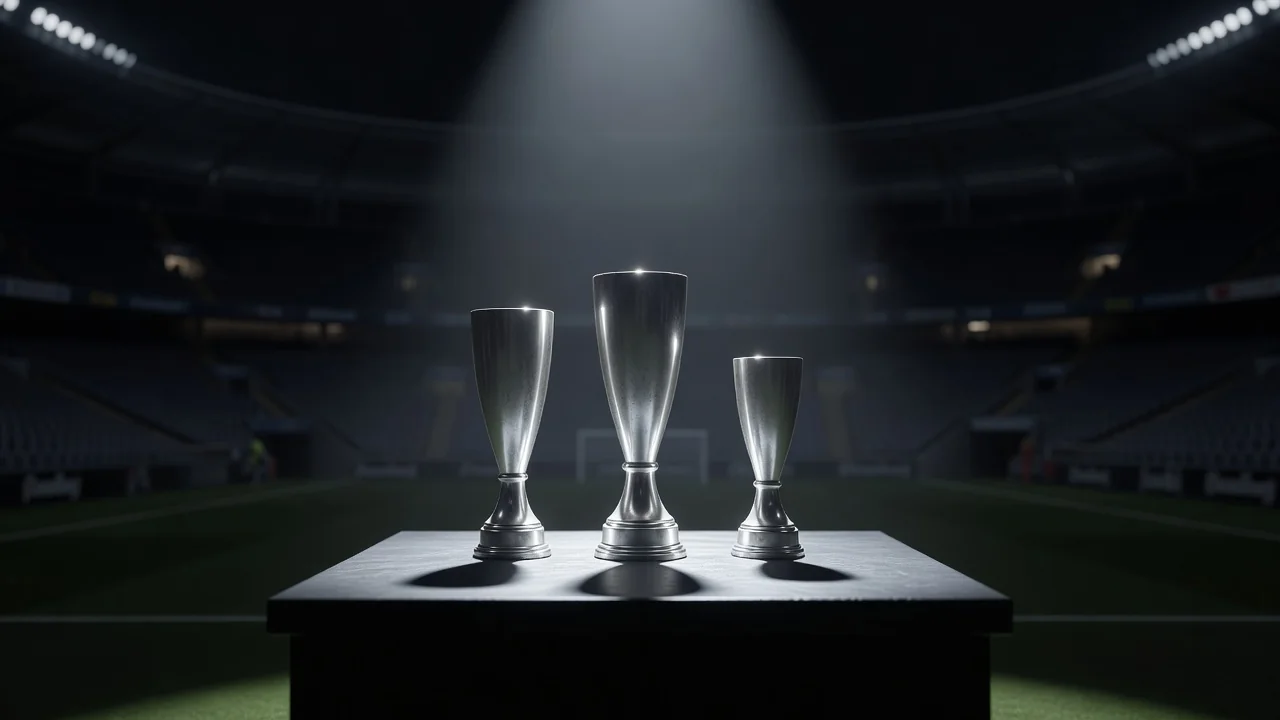
European football's midweek landscape now runs three deep, and the confusion is understandable: one anthem, three trophies, and a cascade of Thursdays that blur into each other. The Champions League, Europa League and Conference League share branding, broadcasters and even match balls. But they are built for different clubs, different budgets and different definitions of a successful season.
Sorting them out takes five minutes and pays off all season, because the hierarchy explains everything from squad rotation to why a fifth-place finish can spark a celebration.
The hierarchy in one paragraph
The Champions League is for champions and the highest-ranked finishers from the strongest leagues: 36 clubs, the biggest prize money, Tuesday and Wednesday nights. The Europa League sits one rung below, taking cup winners and the next tier of league finishers, playing mostly on Thursdays. The Conference League, launched in 2021, is the third tier, designed explicitly to give clubs from smaller leagues — and domestic cup winners from mid-sized ones — a realistic path to European knockout football and a trophy.
Qualification routes differ by country, because UEFA's coefficient system gives the strongest leagues more places and earlier entry. An English club finishing fifth may walk straight into the Champions League league phase; a club with the same record from a smaller association might need three qualifying rounds just to reach the Conference League.

Money, calendar and squad logic
The financial gap between the tiers is the least discussed and most important difference. Champions League prize money dwarfs the rest: participation alone is transformative for a mid-sized club. The Europa League pays meaningfully less, and the Conference League less again — which is why bigger clubs sometimes treat Thursday nights as a development competition, while for clubs from smaller leagues the same fixtures are the financial highlight of the decade.
The calendar writes the rest of the story. Thursday-Sunday rhythms distort domestic form: a club playing in Norway on a Thursday evening rarely wins the following Sunday away from home. Managers in the Europa and Conference Leagues rotate more heavily, and the leagues' tables in October often show a visible dip for Thursday-night clubs.
| Champions League | Europa League | Conference League | |
|---|---|---|---|
| Founded in current form | 1992 | 2009 | 2021 |
| Typical entrants | Champions, top finishers | Cup winners, next tier | Smaller leagues, cup winners |
| Match nights | Tuesday–Wednesday | Thursday | Thursday |
| Prize money | Highest by a wide margin | Middle | Lowest |
| Squad approach | First choice | Often rotated | Heavy rotation or full focus |
Why the third tier was a smart invention
The Conference League was mocked at launch as a consolation competition, but it solved a genuine problem: the old system fed dozens of small-league champions into qualifying rounds they were almost certain to lose, sending them home by August. Now those clubs get group-stage-style football, television income and winnable knockout ties. The competition has produced genuine stories — first European trophies, first quarter-finals — that the old pyramid never allowed.

When you glance at a Thursday fixture list, three questions sort it instantly:
- Which competition, and therefore which calibre of tie?
- Is either club rotating for a weekend match that matters more?
- What does a win mean financially for the smaller club involved?
Which competition should you actually watch?
For the neutral, the three tiers offer genuinely different products. The Champions League's knockout rounds remain the highest level of club football on the planet, but its league phase can produce mismatches between giants and debutants. The Europa League is the connoisseur's choice: famous clubs in transitional seasons, tactical variety from a dozen leagues, and knockout ties between evenly matched sides that often outshine the senior competition's quarter-finals. The Conference League offers something rarer — novelty. New stadiums, first-time European stories, and clubs playing the biggest matches in their history, with crowds to match.
The honest viewer's rule is simple: watch the Champions League for quality, the Europa League for balance, and the Conference League for stories. Every Thursday-night devotee eventually discovers that the third tier's round of 16 delivers more drama per evening than almost anything else in the calendar — precisely because the clubs involved have so much at stake.
Three trophies, one pyramid. Learn the rungs, and the entire European week makes sense.
Read next

The Champions League League Phase, Explained Simply
Thirty-six teams, one table, eight different opponents. The new-look Champions League is simpler than it sounds once you see the moving parts.
2026-08-29 · Vitamed.Life
The Away Goals Rule Is Gone — What Changed in Europe
For 56 years an away goal could decide a tie. UEFA scrapped the rule in 2021, and knockout football quietly changed its shape.
2026-08-11 · Vitamed.Life
How to Follow a Champions League Week Like a Pro
Eighteen matches in two nights is a feast and a trap. A practical system for watching Europe without burning out by Wednesday.
2026-08-02 · Vitamed.Life